Inquiry
Form loading...
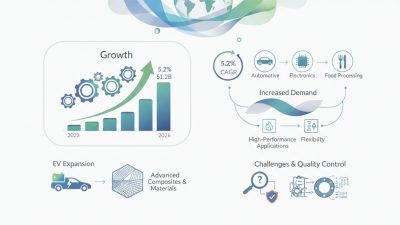
China’s silicone sealing sector is entering 2026 with stronger demand from electric vehicles, medical equipment, food processing, and industrial automation. Grand View Research valued the global silicone market at approximately USD 18.4 billion in 2022. It also forecast steady growth through 2030. MarketsandMarkets reported similar expansion, driven by silicone’s temperature resistance, chemical stability, and long service life.
These figures provide useful context. They do not measure every Silicone Gasket application equally. Report definitions differ. Some include raw silicone materials, while others focus on finished sealing products. That gap matters when comparing Chinese manufacturers.
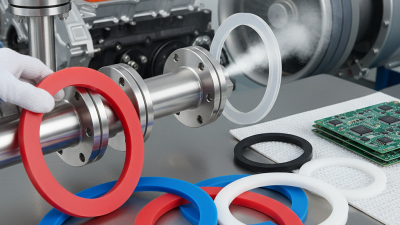
Materials specialist Dr. Johannes Karl Fink states, “A gasket succeeds only when material, geometry, and service conditions agree.” This principle is easy to test on a factory floor. A poorly compressed gasket may leak beside a stainless-steel flange. An unsuitable compound may harden inside a 200°C oven. A medical seal may require tighter cleanliness controls than an ordinary industrial ring.
Our China Top 10 Silicone Gasket Manufacturers 2026 overview examines more than company size. It considers silicone grades, molding accuracy, compression-set performance, quality systems, customization capability, and delivery experience. Certifications can support trust, but they cannot replace application testing. That is the uncomfortable part.
No ranking is perfect. Supplier capabilities change. Data may remain incomplete. Buyers should verify drawings, batch records, test results, and production samples before making a final decision.
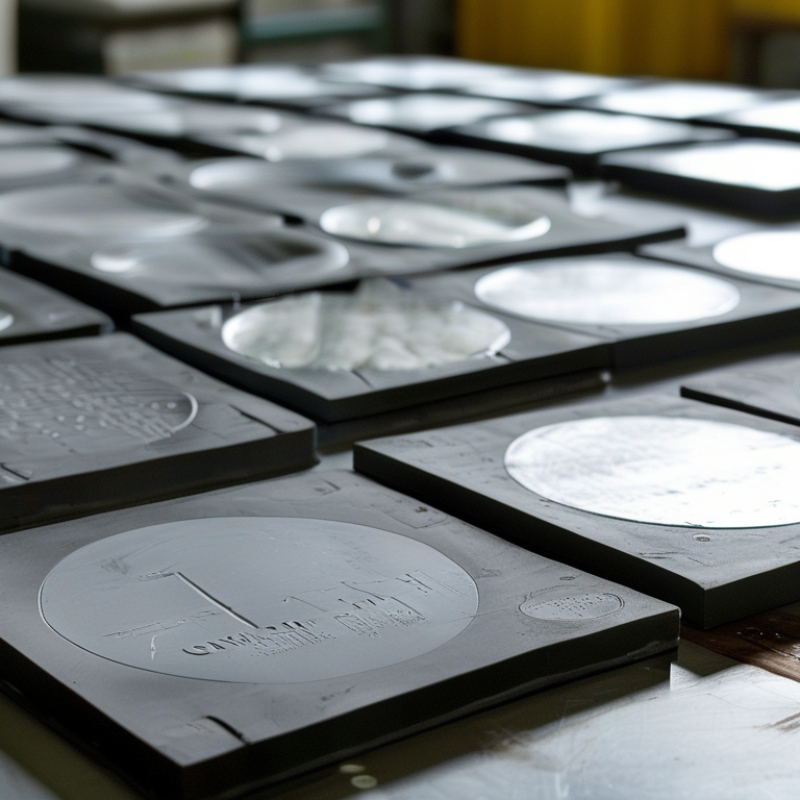
China’s silicone gasket manufacturing landscape in 2026 is becoming more specialized and measurable. The leading ten manufacturers typically serve food processing, medical equipment, electronics, energy, and industrial machinery. Their strengths include liquid silicone molding, compression molding, rapid prototyping, and custom tooling. Many factories now use automated inspection systems to check thickness, flash, color, and surface defects. Traceability is also improving, with batch records linked to raw material certificates and production dates.
Material selection remains practical rather than fashionable. High-temperature silicone suits ovens, engines, and heat exchangers. Platinum-cured silicone supports cleaner applications when low extractables matter. For outdoor equipment, resistance to ozone, ultraviolet exposure, and temperature cycling is essential. A gasket may look perfect on delivery, yet fail after repeated compression. This is where supplier experience matters. Still, some production claims need careful verification, especially when testing methods differ between factories.
Tips: Request drawings, hardness ranges, tolerance data, and sample reports before ordering. Ask how compression set is tested and at what temperature. Confirm whether tooling ownership and revision control are documented. Review a small pilot batch before full production. Do not judge quality from a polished sample alone. Check sealing performance after heat, pressure, and repeated assembly. A useful supplier should explain weaknesses clearly, not only present impressive equipment.
Anonymized comparison of leading Chinese silicone gasket manufacturing capabilities and commonly reported industry benchmarks
| Rank | Core Silicone Materials | Primary Manufacturing Processes | Typical Hardness Range | Estimated Annual Output Range | Common Product Formats | Relevant Quality Standards | Key Application Sectors | Typical Export Markets | Indicative Lead Time | Customization Capability |
|---|---|---|---|---|---|---|---|---|---|---|
| 1 | VMQ silicone, food-grade silicone, platinum-cured silicone | Compression molding, flash trimming, visual inspection | 20–80 Shore A | 2–5 million pieces | Flat gaskets, flange seals, custom-cut rings | ISO 9001; FDA 21 CFR 177.2600 options; RoHS support | Food equipment, beverage systems, pumps, valves | North America, Europe, Southeast Asia | 15–25 working days after drawing approval | 2D drawings, prototypes, custom colors, tooling support |
| 2 | High-temperature VMQ, peroxide-cured silicone | Compression molding, post-curing, dimensional testing | 30–90 Shore A | 1–4 million pieces | O-rings, rectangular seals, equipment covers | ISO 9001; RoHS; REACH documentation commonly available | Industrial machinery, HVAC, electrical enclosures | Europe, Japan, South Korea, Australia | 18–30 working days | Complex cross-sections, color matching, mold modification |
| 3 | Platinum-cured silicone, medical-grade silicone | Liquid silicone molding, clean production, post-curing | 30–80 Shore A | 500,000–2 million pieces | Medical gaskets, hygienic seals, custom diaphragms | ISO 9001; ISO 13485 capability; biocompatibility testing by project | Medical devices, laboratory equipment, healthcare products | Europe, North America, East Asia | 25–45 working days | Cleanroom production, traceability, material validation |
| 4 | Flame-retardant silicone, electrically insulating silicone | Compression molding, die cutting, surface finishing | 40–80 Shore A | 1–3 million pieces | Insulating gaskets, cabinet seals, cable-entry seals | ISO 9001; UL-related material options; RoHS and REACH support | Power electronics, telecom equipment, control cabinets | North America, Europe, India, ASEAN | 20–35 working days | Flame-retardant compounds, adhesive backing, die-cut profiles |
| 5 | Oil-resistant silicone compounds, fluorosilicone options | Compression molding, transfer molding, post-cure treatment | 50–90 Shore A | 600,000–2 million pieces | Automotive gaskets, sensor seals, fuel-system components | ISO 9001; IATF 16949 capability in automotive supply chains | Automotive, transportation, engine systems | Europe, North America, Mexico, Southeast Asia | 25–40 working days | Material selection, tolerance control, PPAP support by project |
| 6 | Steam-resistant silicone, hygienic-grade silicone | Compression molding, precision trimming, leak testing | 30–85 Shore A | 800,000–3 million pieces | Sanitary gaskets, tri-clamp seals, pipe flange gaskets | ISO 9001; FDA-contact material options; sanitary design documentation | Brewing, dairy processing, pharmaceuticals, cosmetics | Europe, North America, Australia, Middle East | 20–35 working days | Custom dimensions, surface treatments, color coding |
| 7 | General-purpose VMQ, translucent and colored silicone | Compression molding, stamping, water-jet and knife cutting | 20–80 Shore A | 2–6 million pieces | Sheet gaskets, cabinet seals, appliance gaskets | ISO 9001; RoHS; REACH documentation available on request | Appliances, lighting, consumer electronics, machinery | Asia-Pacific, Europe, South America | 12–25 working days | Low-volume prototyping, rapid sampling, custom colors |
| 8 | Conductive silicone, EMI-shielding silicone | Compression molding, conductive coating, precision die cutting | 40–80 Shore A | 300,000–1.5 million pieces | EMI gaskets, conductive seals, shielding strips | ISO 9001; RoHS and REACH support; electrical resistance testing | Telecommunications, aerospace equipment, electronics | North America, Europe, South Korea, Japan | 25–45 working days | Conductivity levels, compression profiles, adhesive lamination |
| 9 | Low-compression-set silicone, weather-resistant silicone | Extrusion, vulcanization, splicing, compression molding | 40–85 Shore A | 500–2,000 tons or equivalent profiles | Continuous profiles, door seals, window and enclosure gaskets | ISO 9001; weathering and aging tests available by specification | Construction, solar equipment, transportation, outdoor machinery | Europe, North America, Middle East, Oceania | 20–40 working days | Endless profiles, corner vulcanization, custom tooling |
| 10 | High-consistency silicone rubber, custom formulated VMQ | Compression molding, transfer molding, CNC prototype tooling | 20–90 Shore A | 500,000–2.5 million pieces | Prototype gaskets, custom seals, replacement components | ISO 9001; material certificates; RoHS and REACH support | Industrial equipment, laboratory devices, replacement parts | Asia-Pacific, Europe, North America | 15–35 working days | Small-batch orders, reverse engineering, design optimization |