What Is a Duo-Check Valve and How Does It Work?
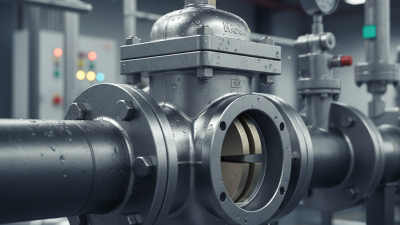
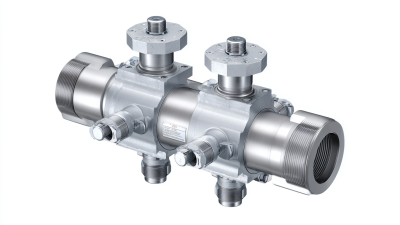
A Duo-Check Valve is a compact, wafer-style check valve designed to stop reverse flow. It uses two spring-loaded plates instead of one swinging disc. When fluid moves forward, pressure pushes the plates open. When flow weakens, the springs close them quickly. The result is a shorter installation footprint and reduced water hammer risk. Small details matter here.
R. W. Zappe, author of the Valve Selection Handbook, describes a check valve as “a self-acting valve that opens with forward flow and closes against reverse flow.” That principle explains the Duo-Check Valve clearly. Its dual-plate design can respond faster than many conventional swing check valves. However, performance depends on flow velocity, spring selection, orientation, sealing condition, and piping layout. A valve installed carelessly may still create noise, vibration, or pressure loss.
Industry research supports the wider importance of reliable valve technology. Grand View Research’s Industrial Valves Market Analysis Report identifies water treatment, oil and gas, power generation, and chemical processing as major demand sectors. MarketsandMarkets also projects continued growth in industrial valve applications through 2028, driven by infrastructure renewal and process automation. These reports describe market direction, not guaranteed valve performance. That distinction matters. ASME B16.34 and API 6D provide important design and testing references, but engineers must still verify the actual service conditions. Pipe diameter, fluid temperature, solids, pressure, and maintenance access should be checked before selection. A Duo-Check Valve is not automatically the best choice. Sometimes, the simpler option performs better.
What Is a Duo-Check Valve?
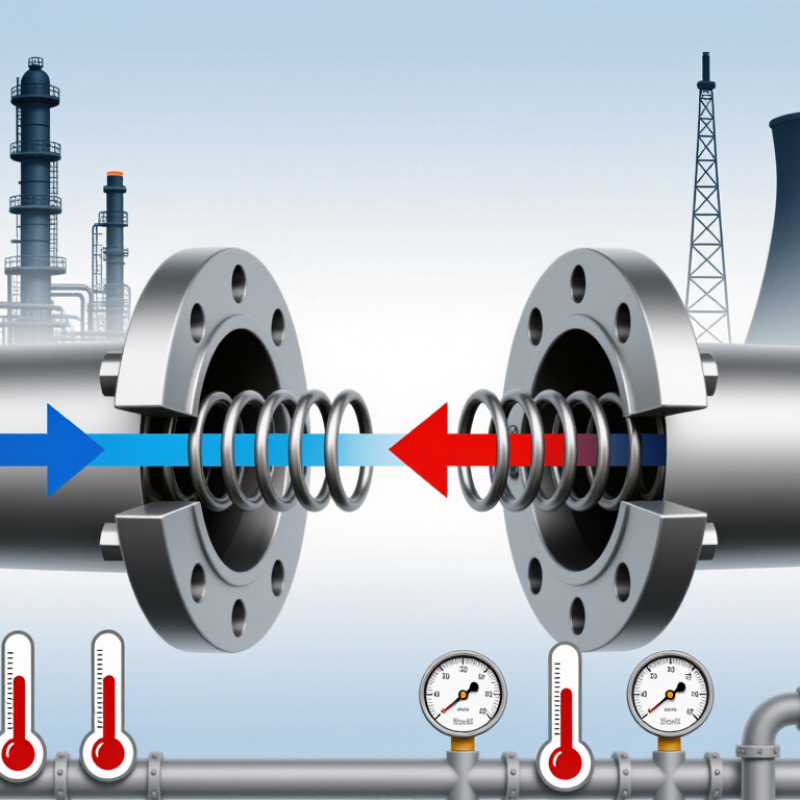
A duo-check valve is a compact non-return valve that allows fluid to move in one direction only. It usually contains two semicircular plates, or discs, mounted on a central hinge. Springs press the plates toward the closed position. When pump pressure rises, the discs open together and create a clear flow path. When pressure falls, the springs close them quickly. This action helps prevent reverse flow through pumps, pipelines, and process equipment.
Its wafer-style body fits between pipe flanges, so it needs less installation space than many conventional check valves. The design also reduces the distance the discs travel, which can help limit pressure surges and water hammer. In field inspections, correct flow direction remains one of the easiest details to miss. An arrow on the body should match the pipeline flow. It sounds simple, but mistakes happen.
The valve works with water, air, and many compatible liquids, depending on its materials, pressure rating, and temperature range. Engineers should check these conditions before selection. A duo-check valve is not a complete solution for every system. Dirty fluids may damage the seating surfaces or restrict disc movement. Regular inspection can reveal wear, corrosion, unusual noise, or leakage. Real operating conditions often differ from design assumptions, so performance should be reviewed after installation.
What Are the Main Components of a Duo-Check Valve?
A duo-check valve is a compact, non-return valve used to control flow direction. Its central body contains two hinged plates that split the flow path. A hinge pin supports each plate, while small springs press the plates toward the sealing seat. That detail matters. It helps the valve close even when flow becomes weak. The body may use metal or engineered polymer, depending on pressure, temperature, and fluid compatibility.
The main sealing seat forms the contact surface around each plate. When the plates close, this seat limits backflow and leakage. Springs provide closing force, but they must match the system’s operating pressure. Strong springs can increase pressure loss, while weak springs may allow slower closure. Guide ribs, hinge supports, and travel stops keep the plates aligned. Some designs also include replaceable seals or inspection features. None is decorative. Each component affects service life.
When upstream pressure rises, the plates swing open and allow fluid to pass. As flow slows, the springs begin closing them. Reverse pressure then pushes the plates firmly against the seat. This short closing movement can reduce water hammer, though it cannot eliminate every pressure surge. A valve can look sound from outside. Technicians should still check alignment, debris, spring condition, and seat wear during maintenance. Correct sizing remains essential, and this is often overlooked. A duo-check valve works reliably only when its components suit the actual pipeline conditions.
Where Are Duo-Check Valves Commonly Used?
A duo-check valve is a compact device that stops fluid from flowing backward. It uses two spring-loaded plates inside a wafer-style body. When pressure moves forward, the plates open. When pressure drops, the springs close them quickly. This action helps protect pumps, pipes, and other equipment from reverse-flow damage.
Duo-check valves are commonly used near pump discharge lines in water supply systems. They also appear in irrigation networks, wastewater plants, and building plumbing. In heating and cooling systems, the valve can prevent unwanted circulation between separate circuits. Process pipelines may use it for air, water, and compatible liquid chemicals. Fire protection piping can also require this type of control, depending on local engineering rules. Space is often the main reason for choosing it. Its short face-to-face length fits tightly between flanges.
Installation details matter. The valve must match the pipe size, pressure rating, temperature, and fluid. A dirty line can keep the plates from sealing fully. That small mistake may create noise, vibration, or hidden backflow. Designers should also check the flow direction marked on the body. The best location is not always obvious. Turbulence near elbows or pumps can reduce performance, so a straight pipe section is often helpful. Some systems may need a different check-valve design instead.
How Do You Select and Maintain a Duo-Check Valve?
A duo-check valve uses two spring-loaded plates to stop reverse flow in a pipeline. Each plate opens with forward pressure and closes when flow slows. This compact design often reduces water hammer and requires less installation space than a swing check valve. Fit matters.
Selecting the valve begins with the fluid, line size, pressure, temperature, and flow direction. Clean water, abrasive slurry, and corrosive chemicals require different body and seat materials. Check the allowable pressure and temperature, not only the pipe diameter. A low cracking pressure may improve pump performance, while excessive spring force can restrict flow. The valve should also match the pipe connection and available face-to-face space. Installation drawings and recognized engineering standards provide useful control points. A perfect selection on paper can still fail when nearby elbows create turbulence.
Maintenance starts with safe isolation, pressure release, and drainage. Inspect the plates, hinge pins, springs, and sealing surfaces for rust, scoring, deposits, or uneven wear. Keep it clean. During service, confirm that both plates move freely without sticking. A closed valve should not show persistent downstream pressure rise during a controlled leakage test. Field records are sometimes incomplete, so measure actual operating conditions before replacing the valve. I have seen premature failures caused by pipe debris, not poor valve design. Tightening nearby supports and correcting misalignment may prevent repeated damage. Follow the valve’s service instructions, and replace damaged internal parts rather than forcing them back into shape.